
 385-777-2753

- Home
- Firm Overview
- Our Team
- Attorney Joseph Rupp
- Attorney Logan Collins
- Attorney Yvette Donosso
- Attorney Rakay Michael
- Attorney Brody O’Connor
- Paralegal Julie Johnston
- Paralegal Sisilee Musselman
- Paralegal Tuesday Collins
- Legal Assistant Mackelle Evans
- Administrative Assistant Braelyn Henrikson
- Executive Assistant Teresa Welty
- Criminal Defense
- Family Law
- Scholarship
- Media
- Blog
- Contact
Recent Blog Posts
Can You Be Charged With a Sex Crime Without Physical Evidence in Utah?
 You can be charged with a sex crime in Utah without any physical evidence. Utah prosecutors can and do pursue sex crime charges based primarily or entirely on the testimony of the alleged victim. That means a charge can be filed, and a conviction can happen, based on one person's word against another's. If you are facing a sex crime charge without physical evidence in 2026, our Salt Lake City sex crimes defense lawyers can help you understand what the state has and how to build a strong defense.
How Can a Sex Crime Case in Utah Move Forward Without Physical Evidence?
Under Utah Code § 76-5-402, rape involves sexual intercourse without the individual's consent. Utah law does not require physical evidence to charge or convict someone of a sex crime. What the state needs is enough evidence to convince a jury beyond a reasonable doubt that each element of the offense occurred. In many cases, prosecutors believe the testimony of the alleged victim alone is enough to meet that standard.
When Is an Ignition Interlock Device Required in Utah?
 An ignition interlock device is a small breathalyzer that is installed in your car and connected to the ignition, not allowing the car to start until the driver successfully passes a test. In Utah, ignition interlock devices are required in many DUI cases, and the rules around when they are mandatory have gotten stricter in recent years. If you are facing a DUI charge in 2026 and want to understand how this device could affect your life and your ability to drive, Collins Rupp, P.C. can help. Our Davis County, UT DUI defense lawyers can explain how the device works and what it means for your driving privileges.
How Does an Ignition Interlock Device Work?
Once the device is installed, you have to blow into it before the engine will start. Most devices also require what are called rolling retests, which are breath samples taken at random times while the car is moving. If you fail a retest or do not provide one when asked, the device logs it and reports it. It will not shut the car off while you are driving. However, the violation goes on your record with the monitoring provider and gets reported to the court.
What Is "Constructive Possession" in Utah Drug Cases?
 Constructive possession means you can be charged with a drug crime in Utah even if drugs were not found directly on your body. Under Utah Code § 58-37-2, a person is considered to possess a controlled substance if it is found in a place or under circumstances indicating they had the ability and the intent to exercise control over it.
In other words, if drugs were found in your home, your car, or nearby, and the prosecution can argue you knew they were there and could control them, you can face the same charges as someone caught holding the drugs in their hand.
This type of charge can feel deeply unfair, especially when you had nothing to do with the drugs. If you are facing a drug charge in 2026 based on constructive possession, our Salt Lake City, UT drug crimes defense lawyers are ready to fight for you.
How Dashcam or Bodycam Footage Can Affect a Utah DUI Case
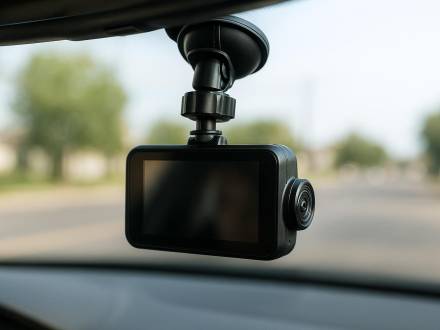 In a DUI case, the officer's report is just one version of events. Dashcam and bodycam footage may tell a different story, and in Utah, that footage can play a major role in how your case is built and defended. If you are facing DUI charges in 2026, our Davis County, UT DUI defense lawyers can help you get that footage and figure out how it affects your defense.
What Is a DUI Under Utah Law?
Under Utah Code § 41-6a-502, it is illegal to drive with a blood alcohol concentration of 0.05 percent or higher, or while impaired by alcohol, drugs, or any combination of substances. Utah has one of the lowest legal BAC limits in the country. That lower limit means more people can be charged even when they feel fine to drive.
A DUI conviction in Utah can mean jail time, fines, a suspended license, required alcohol education classes, and an ignition interlock device on your car. The consequences are often severe, which is why building a strong defense from the start matters so much.
What Happens if a Sex Crime Allegation Is Reported Years Later in Utah?
 Finding out you've been accused of a sex crime that allegedly happened years ago is a shocking and disorienting experience. You may have had no warning, no idea this was coming, and no understanding of how a decades-old allegation can suddenly become a criminal charge. It can, and in Utah, the law gives prosecutors significant room to pursue these cases long after the alleged incident occurred.
If you're facing this situation in 2026, our Salt Lake City, UT sex crimes defense lawyers can help you understand what you're up against and what you can do about it.
How Long Does Utah Allow for Sex Crime Charges to Be Filed?
The statute of limitations sets the deadline for how long prosecutors have to file criminal charges. In Utah, those deadlines for sex crimes are long, and in some cases, they don't exist at all.
Can First-Time Drug Offenders Avoid Jail in Utah?
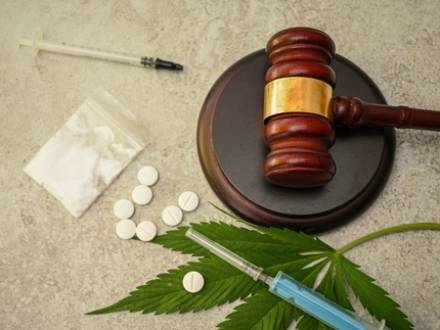 If you are facing a first-time drug offense in Utah, you may be able to avoid jail. In fact, a report by the Urban Institute shows that most people convicted of drug possession in Utah received probation rather than jail. Utah law allows alternatives such as probation, diversion, and treatment programs. These options are often available to people with no prior criminal record. They focus on rehabilitation instead of punishment.
If you were charged with a drug crime in 2026, it is important to understand your options. Our Davis County, UT criminal defense lawyers help people review their cases and find alternatives that may help them avoid jail.
What Does Utah Law Say About First-Time Drug Offenses?
Utah law allows courts to consider alternatives to jail for some drug possession offenses. Under Utah Code § 58-37-8, drug possession may be charged as a Class A misdemeanor. This often applies when the person has no prior criminal record. A misdemeanor is less serious than a felony.
Can You Refuse a Field Sobriety Test in Utah?
 You can refuse a field sobriety test during a DUI stop in Utah. However, refusing does not always mean you avoid consequences. Police officers may still arrest you based on other signs of impairment, and your decision can affect what happens next in your case.
If you are facing a DUI charge, understanding your rights can help you make informed decisions. Speaking with Salt Lake City, UT DUI defense lawyers as early as possible can help you protect those rights.
What Is a Field Sobriety Test?
A field sobriety test is a group of physical and mental exercises police use during a traffic stop. These tests help officers decide whether a driver may be impaired.
Common examples include walking in a straight line, standing on one leg, or following an object with your eyes. These tests are designed to check balance, coordination, and attention.
3 Ways to Fight a Statutory Rape Charge in Utah
 Being accused of a sex-related offense where age plays a factor can be frightening and overwhelming, especially when the people involved believed the relationship was consensual. As of 2026, Utah law has strict age-based rules that do not always align with common assumptions about consent or intent. These rules play a major role in how charges are filed and what legal options may be available to defend against them.
If you are facing these allegations, our Davis County, UT sex crimes defense lawyers can explain how Utah’s age rules apply to your situation.
What Is Considered Statutory Rape Under Utah Law?
According to a 2025 Utah age-of-consent overview, minors under 14 can never legally consent to sexual activity. Minors aged 16 or 17 cannot legally consent to sex with someone who is seven or more years older. Utah law does not always use the phrase "statutory rape," but it criminalizes sexual activity based on those ages and age gaps.
Understanding the Reasons Why Someone Would Falsely Accuse Another Person of a Sex Crime
 Being accused of a sex crime is one of the most serious allegations a person can face. Even before a case reaches court, the accusation alone can affect reputation, employment, family relationships, and mental health. These cases often move fast and can be devastating from the start. With a simple accusation, false or not, you can become a statistic in the annual Criminal Victimization report, which tracks detailed data on rape and sexual assault, including incidents that are reported and those that are not.
If you are facing this type of allegation in 2026, speaking with our Salt Lake City, UT sex crimes defense lawyers as early as possible can help protect your rights and preserve important evidence.
Why Would Someone Make a False Sex Crime Accusation?
There is no single reason why false accusations happen. In many cases, strong emotions or outside pressure play a role. Common reasons may include:
What You Need to Know About Protective Orders in Utah
 In Utah, law enforcement officials and courts are concerned about the risks that people may face due to domestic violence. Statistics show that around one in three Utah women will experience some form of physical violence, sexual violence, or stalking in their lifetime. There are more than 12,000 domestic violence incidents reported each year in the state. The Salt Lake County District Attorney’s office has reported that between January 2023 and January 2025, around half of all homicides in the region were related to domestic violence.
These statistics have led to an increased use of protective orders, which are meant to address potential violence between intimate partners, family members, or other people in close relationships. A protective order will restrict contact between an alleged abuser and an alleged victim, and it may include other terms that limit where a person can go and what they can do.









Office Hours
Monday - Thursday
9:00 AM - 5:00 PM
Friday
9:00 AM - 3:00 PM
Results listed are not a guarantee or indication of future case results.
563 West 500 South, Suite 400, Bountiful, UT 84010 |
385-777-2753

Contact Our Firm
 The use of the Internet or this form for communication with the firm or any individual member of the firm does not establish an attorney-client relationship. Confidential or time-sensitive information should not be sent through this form.
I have read and understand the Disclaimer and Privacy Policy.