
 385-777-2753

- Home
- Firm Overview
- Our Team
- Attorney Joseph Rupp
- Attorney Logan Collins
- Attorney Yvette Donosso
- Attorney Rakay Michael
- Attorney Brody O’Connor
- Paralegal Julie Johnston
- Paralegal Sisilee Musselman
- Paralegal Tuesday Collins
- Legal Assistant Mackelle Evans
- Administrative Assistant Braelyn Henrikson
- Executive Assistant Teresa Welty
- Criminal Defense
- Family Law
- Scholarship
- Media
- Blog
- Contact
Spring 2026 Winner of the Moving Forward Scholarship
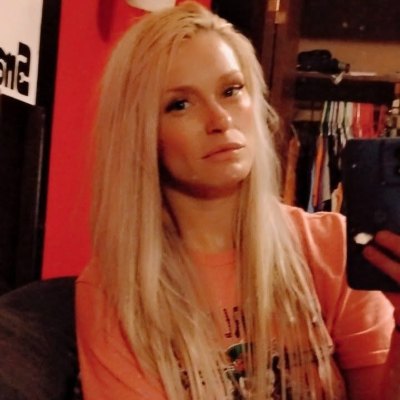
Amber Taylor
Amber Taylor is studying psychology at Southern New Hampshire University. After graduating with her degree, Amber hopes to start a career as an addiction counselor. We wish Amber the best of luck as she continues her education!
Read Their Essay Here:
Moving Forward: Finding Purpose Beyond the Past
Life has a way of teaching lessons that no classroom or textbook ever could. The most meaningful growth often comes from the hardest experiences—those moments when we hit rock bottom and are forced to rebuild piece by piece. For me, the importance of moving forward became clear only after I lost everything to my choices. I spent years caught in addiction, facing several drug cases, and ultimately serving time in prison in 2022. Those years could have been the end of my story, but instead, they became the foundation of something far greater. Through pain, self-reflection, and perseverance, I learned that moving forward is not about forgetting the past—it’s about finding a reason to live better, do better, and help others do the same.
The Meaning of Moving Forward
Before prison, I thought moving forward simply meant “getting over” something. I believed that I could outrun my past. Unfortunately, life doesn’t work that way. The past has a way of following you until you face it. While incarcerated, I finally had the time to face my mistakes, my pain, and the person I had become. I had to accept that the choices I made hurt not only me but also my family, my community, and even strangers who crossed my path. In that acceptance, I found strength. Moving forward means taking accountability, not as a form of punishment, but as a step in the right direction. I realized that moving forward is a daily decision—a mindset that says, “I am not what I did; I am what I do next.” That shift in perspective became the starting point of my transformation.
Rebuilding from Rock Bottom
When I was released, the world felt different. I was different. Yet, the challenges didn’t end when I walked out of those gates. Society often sees people with a criminal record as lost causes, unworthy of trust or opportunity. I experienced doors closing in my face—jobs, housing, and relationships were all hard to rebuild. But instead of letting bitterness grow, I used those moments as motivation.
I began to see that every rejection was a chance to strengthen my resolve. I started Lynn’s Towing and Recovery LLC, turning my hard work and determination into a business that serves my community. Building something from the ground up gave me a sense of purpose and pride I had never known before. It taught me that success after failure is not only possible—it’s powerful. My business became proof that redemption is real, and that anyone willing to put in the work can move forward no matter how far they’ve fallen.
Helping Others Through My Experience
My past, once a source of shame, has become one of my greatest tools for helping others. I’ve met so many people who feel trapped by their records, their addictions, or their mistakes. When I talk to them, they see that I understand—not in theory, but in truth. I know what it feels like to be judged, dismissed, and labeled. But I also know what it feels like to rebuild, to find purpose, and to start over with nothing but determination.
My dream is to change the world’s view of felons—to build a society where people who have paid their debt are fully accepted again. Too many people leave prison ready to change, but without opportunity or support, they end up back where they started. I want to create programs that help them find work, housing, and mentorship—resources that give them real chances to rebuild their lives. Everyone deserves a second chance, and I want to be part of the movement that makes that a reality.
Turning Pain into Purpose
Moving forward also means learning to forgive yourself. For a long time, I carried guilt and regret like heavy chains. I thought that by punishing myself, I was making up for my mistakes. But self-forgiveness isn’t about excusing the past; it’s about freeing yourself to create a better future. Once I learned that, everything changed.
That forgiveness allowed me to turn pain into purpose. Every experience, from addiction to incarceration, gave me wisdom I can now share with others. I can help someone who feels hopeless see that they can change. I can speak up for those who are still trying to find their way. And I can show by example that moving forward doesn’t erase the past—it redeems it.
The Importance of Resilience and Hope
Resilience is at the heart of moving forward. Life after prison isn’t easy. The stigma, the challenges, and the inner battles don’t disappear overnight. But I’ve learned that resilience isn’t about never falling again—it’s about getting up every single time you do. Every obstacle becomes a test of strength, and every success, no matter how small, is proof that progress is possible.
Hope plays a huge role, too. When you’ve been through darkness, hope can feel out of reach. But hope is the spark that keeps you moving even when everything seems impossible. My personal experience taught me that hope isn’t something you wait for—it’s something you build, one decision at a time. When I chose to stay clean, when I chose to start a business, when I chose to believe I could be more than my past—those choices built the hope that keeps me going today.
Becoming a Voice for Change
I believe that my story has a purpose beyond myself. There are thousands of people like me—men and women who made mistakes, served their time, and now want to do better. Yet, society often refuses to let them. If I can be a voice that changes even one person’s perspective on what a “felon” looks like, then I’ve made progress. I want people to see that redemption is not just a word—it’s a reality that can transform communities.
I envision a world where criminal records don’t define a person’s worth, where employers give second chances, and where returning citizens can contribute fully to society. My experiences have shown me what’s broken, but also what’s possible. By moving forward myself, I can inspire others to do the same and help create systems that support—not hinder—growth and redemption.
Conclusion: A Life Reclaimed and Shared
The most important thing I’ve learned about moving forward is that it’s a lifelong process. It’s not just about surviving—it’s about thriving. It’s about taking the worst parts of your story and using them to write a better ending. My past doesn’t define who I am today; it defines what I stand for. I stand for second chances, for redemption, for growth, and for the belief that anyone can change if given the opportunity and support.
My journey from addiction and incarceration to entrepreneurship and purpose has taught me that moving forward means choosing hope over despair, forgiveness over shame, and action over fear. I can’t change my past, but I can use it to change lives—including my own. And through that, I hope to help others believe that no matter where they’ve been, it’s never too late to move forward.









Office Hours
Monday - Thursday
9:00 AM - 5:00 PM
Friday
9:00 AM - 3:00 PM
Results listed are not a guarantee or indication of future case results.
563 West 500 South, Suite 400, Bountiful, UT 84010 |
385-777-2753

Contact Our Firm
 The use of the Internet or this form for communication with the firm or any individual member of the firm does not establish an attorney-client relationship. Confidential or time-sensitive information should not be sent through this form.
I have read and understand the Disclaimer and Privacy Policy.